
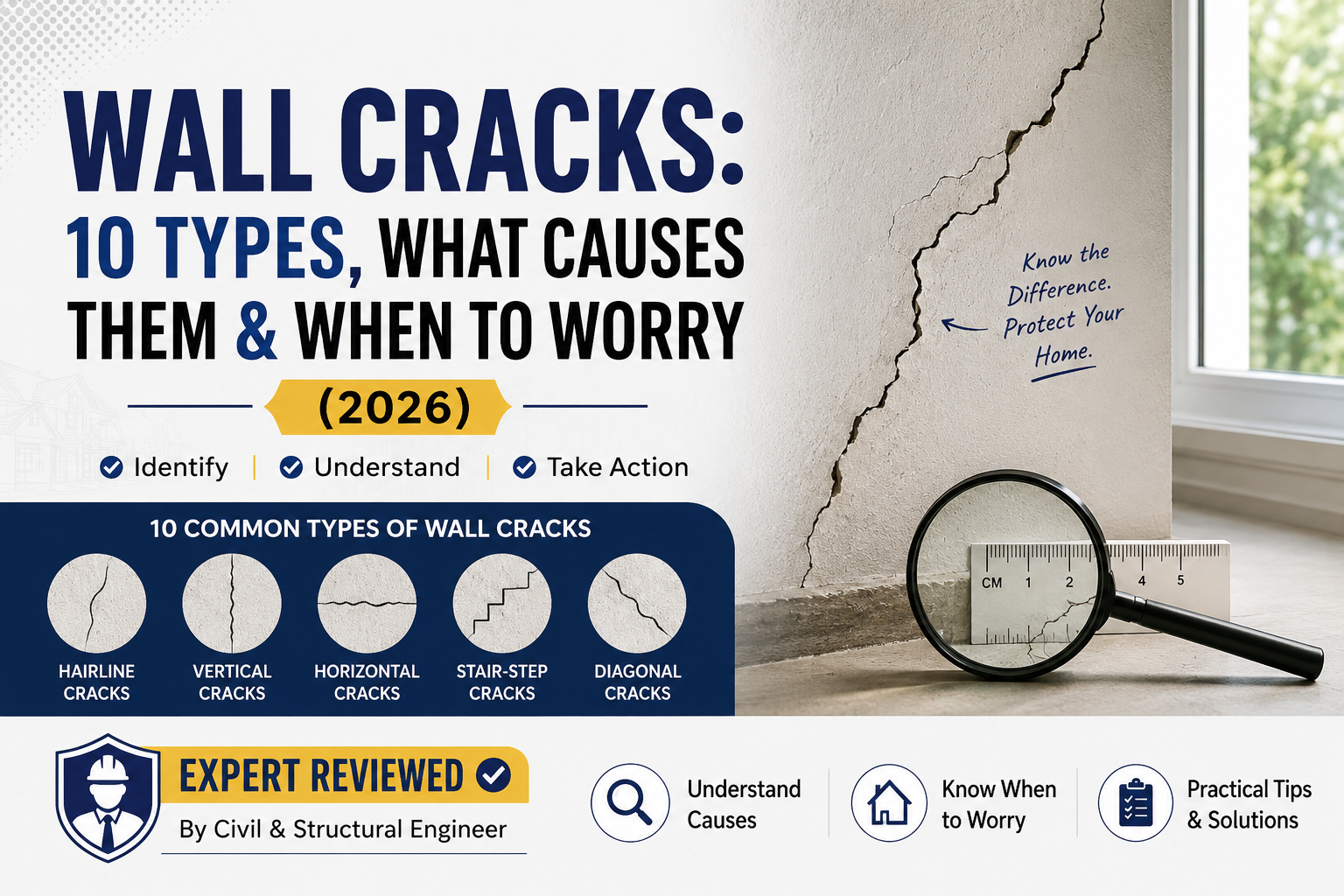
This article was reviewed for general accuracy and practical guidance related to common wall cracks, including hairline, horizontal, vertical, diagonal, stair-step, drywall, masonry, and potentially structural cracking. The review also considered common factors such as building movement, settlement, moisture, material movement, crack progression, and warning signs that may justify further investigation.
Because the cause and seriousness of a wall crack depend on the building’s construction, location, materials, surrounding conditions, and whether the crack is changing over time, this article is intended as general educational guidance rather than a diagnosis of an individual property. Significant, worsening, or potentially structural cracks should be assessed on site by an appropriately qualified building professional or structural engineer.
Wall cracks can be harmless surface marks, but some cracks may point to moisture, settling, foundation movement, or other building problems. The key is knowing what type of crack you are looking at and whether it is changing over time.
A small hairline crack in drywall is very different from a wide horizontal crack that continues across a wall. In this guide, you’ll learn about the most common types of wall cracks, what causes them, which signs deserve attention, and how to approach repairs safely.
A crack cannot always be diagnosed accurately from appearance alone. Its location, size, pattern, age, surrounding damage, and changes over time all matter.
10 Types of Wall Cracks and What They Mean
Different wall cracks can have very different causes, so identifying the pattern is the first useful step. Before repairing a crack, look closely at its direction, width, location, and whether it is getting larger.
1. Hairline Cracks
Hairline cracks are very thin surface cracks that are often caused by normal movement or changes in the wall material.
They commonly appear in painted drywall, plaster, or recently finished walls. Small changes in temperature and humidity can make building materials expand and contract slightly, which may create fine cracks.
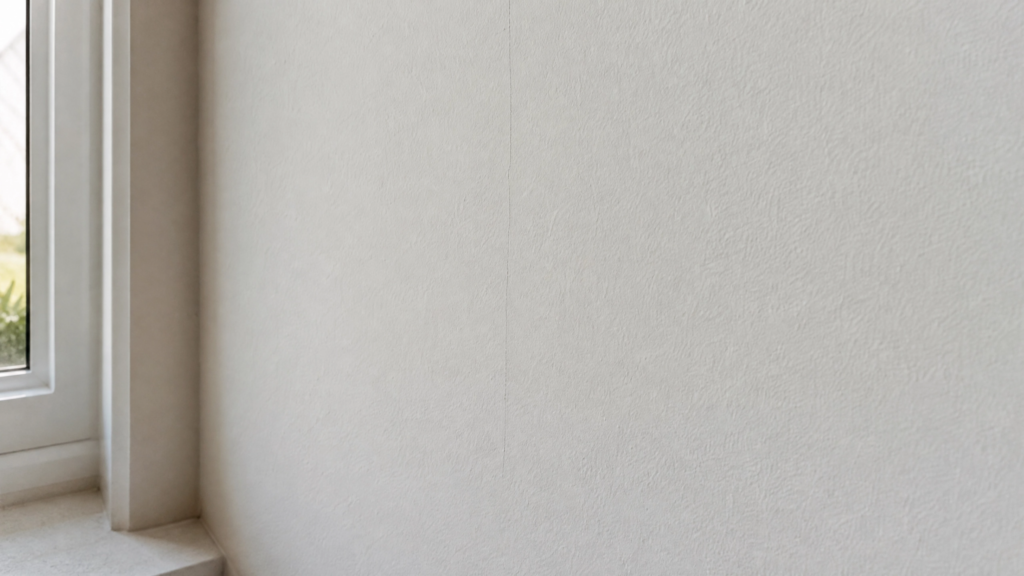
Hairline cracks can also develop as new construction materials dry and settle. If a crack remains small, does not continue spreading, and there are no other warning signs, it is often less concerning.
However, a hairline crack should still be monitored if it repeatedly returns after repair or begins getting wider or longer.
2. Horizontal Wall Cracks
Horizontal wall cracks deserve closer attention because their cause can sometimes involve pressure or movement behind the wall.
These cracks run from side to side and may appear in drywall, plaster, masonry, or foundation walls. In some situations, horizontal cracking can be associated with foundation movement, soil pressure, or wall movement.
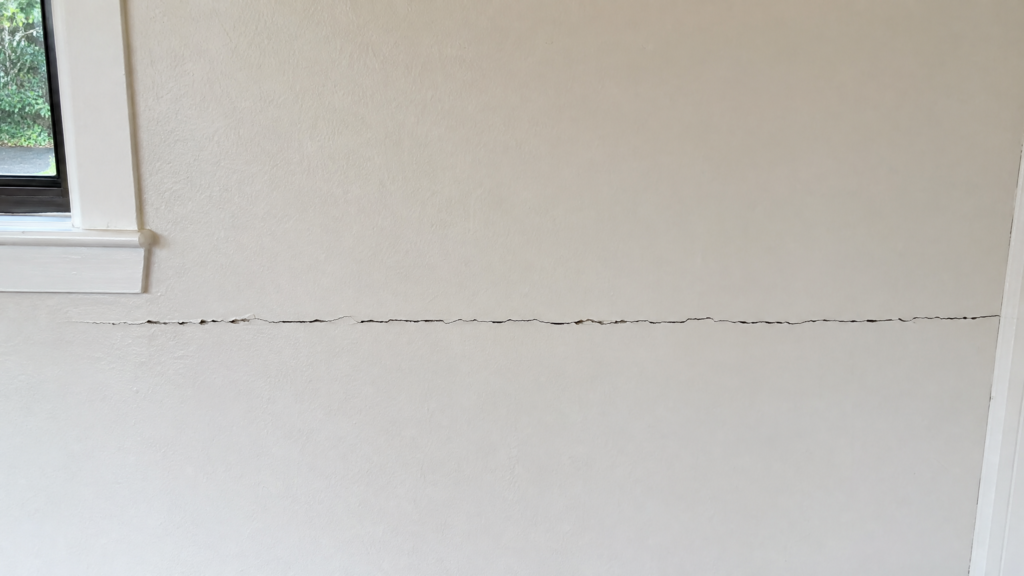
Not every horizontal crack means there is a serious structural problem. The width, location, material, and other symptoms must be considered together.
Pay particular attention if a horizontal crack is widening, appears on a foundation or masonry wall, or occurs alongside bowing, water intrusion, uneven floors, or doors and windows that suddenly become difficult to open.
3. Vertical Wall Cracks
Vertical cracks usually run up and down the wall and can have several possible causes.
Small vertical cracks in drywall may develop at seams, joints, or areas where building materials move slightly. Normal settling can also create narrow vertical cracks in some homes.
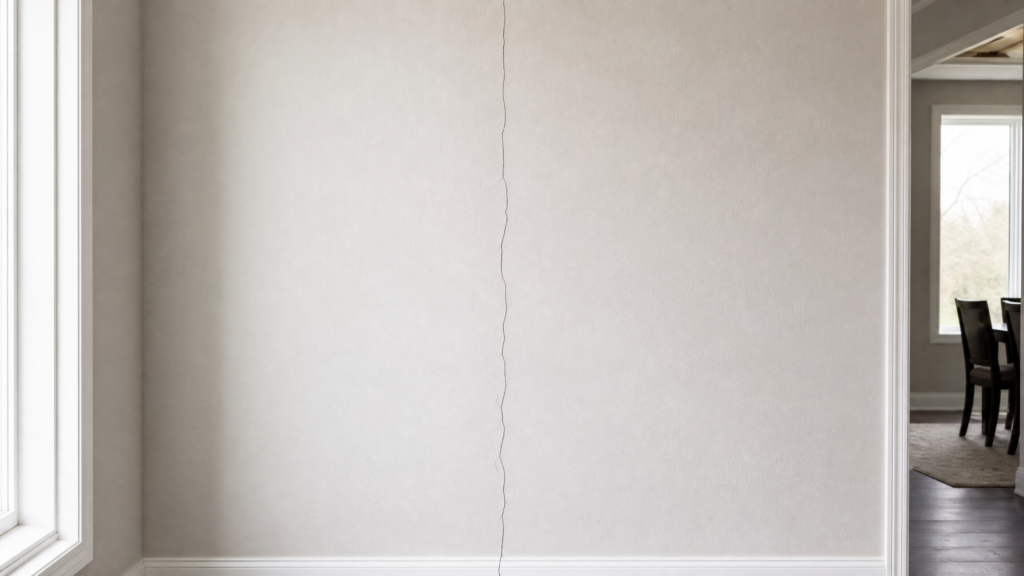
A vertical crack becomes more concerning when it grows quickly, becomes noticeably wider, appears in several locations, or is accompanied by other signs of building movement.
The location also matters. A narrow crack in a drywall finish should not automatically be treated the same way as a large crack extending through masonry or a foundation wall.
4. Diagonal Cracks
Diagonal cracks often appear around doors, windows, wall corners, or other openings where movement can create stress.
A small diagonal drywall crack may simply be related to joint movement or minor settling. However, larger diagonal cracks can sometimes be associated with uneven movement of a building or its foundation.
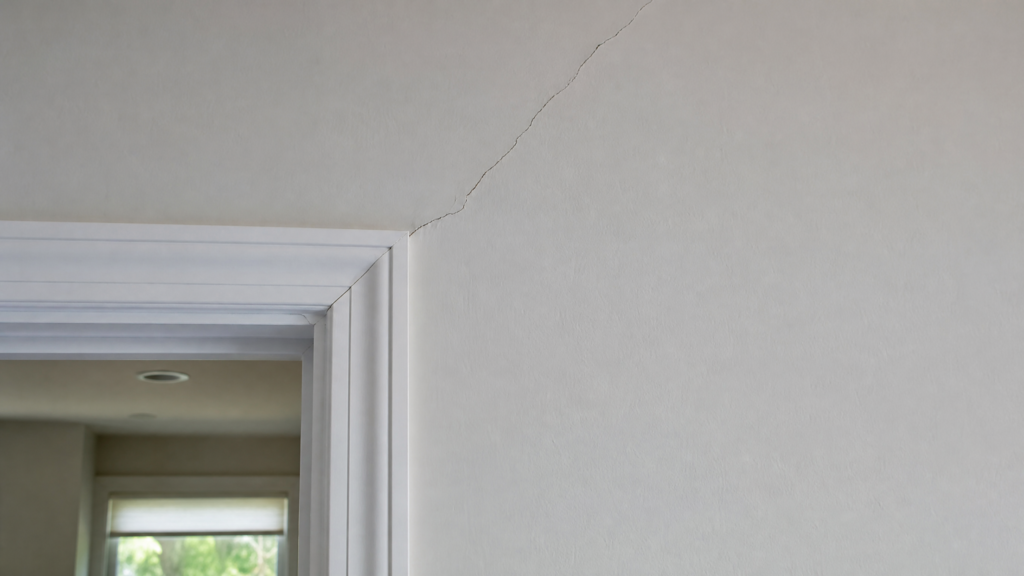
Look for additional clues rather than judging the crack by direction alone. Gaps around openings, sticking doors, uneven floors, or cracks that continue to grow can make the situation more important to investigate.
5. Stair-Step Cracks
Stair-step cracks follow the joints between bricks, blocks, or other masonry units and create a pattern that resembles a staircase.
These cracks are most commonly seen in brick or block walls rather than ordinary drywall. They can develop because of settlement, foundation movement, soil changes, or stress within masonry.
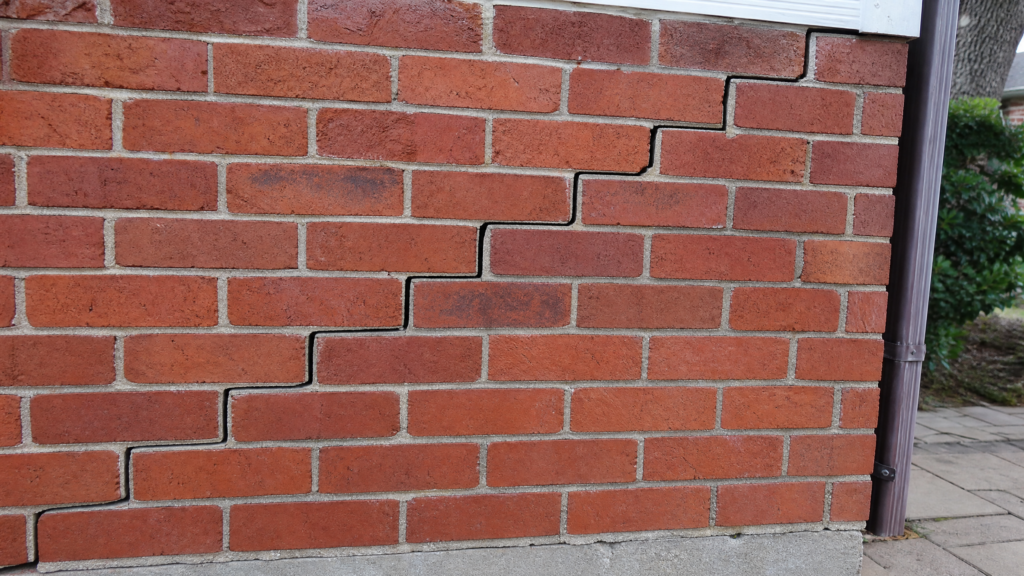
A small isolated masonry crack may not indicate a major problem, but a growing stair-step crack should not be ignored. The size and progression of the crack, along with any related movement, should be assessed carefully.
Related: How to Organize Desk Drawers: 25 Smart Ideas (2026)
6. Drywall Cracks
Drywall cracks are often linked to movement at joints, seams, fasteners, or changes in temperature and humidity.
Cracks commonly appear where two drywall panels meet. Poor joint finishing, building movement, moisture, or repeated expansion and contraction can cause the joint compound to crack.
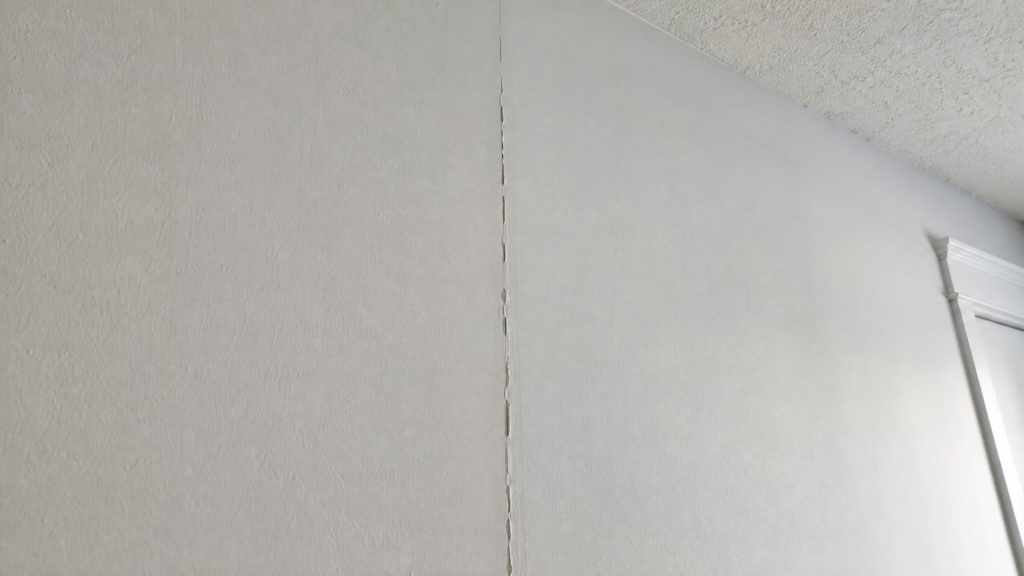
Small drywall cracks can often be repaired by cleaning the damaged area, reinforcing the joint when needed, applying suitable joint compound, sanding, and repainting.
If the same crack keeps coming back, however, simply covering it with more compound may not solve the underlying problem. Repeated cracking can be a sign that the wall or joint is continuing to move.
7. Ceiling-to-Wall Cracks
Cracks where the ceiling meets the wall can occur because different building materials move at slightly different rates.
These cracks may appear as thin lines along the corner between the ceiling and wall. Changes in humidity, temperature, construction movement, and settling can all contribute.
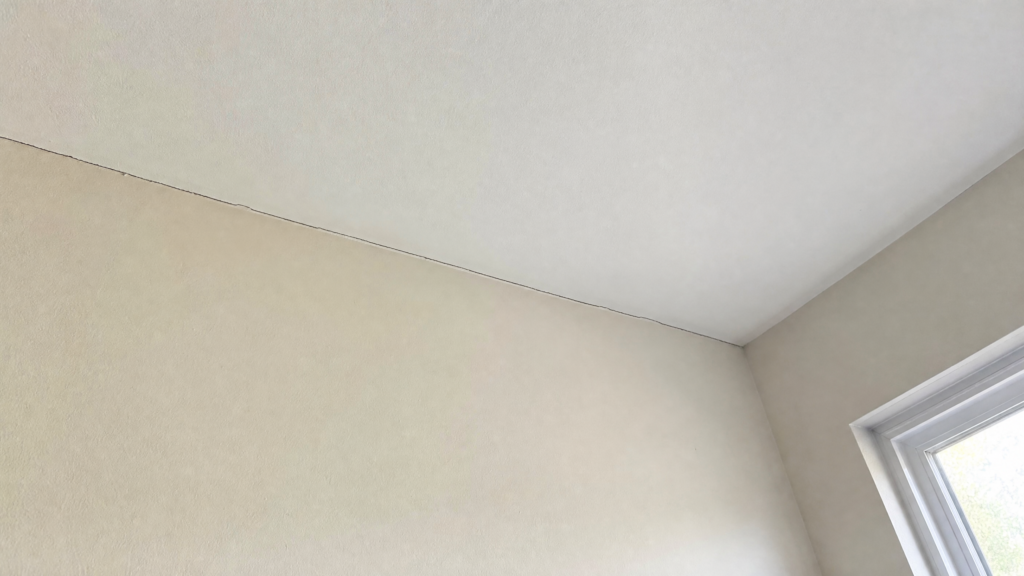
A small stable crack may be cosmetic, particularly when there are no other signs of damage. Larger gaps, spreading cracks, water stains, sagging, or noticeable separation should receive more attention.
8. Corner Cracks
Corner cracks commonly appear where two walls meet or around areas that experience movement.
Drywall corners are finished with joint compound and corner materials, so small cracks can develop if the joint moves or the finish was not installed properly.
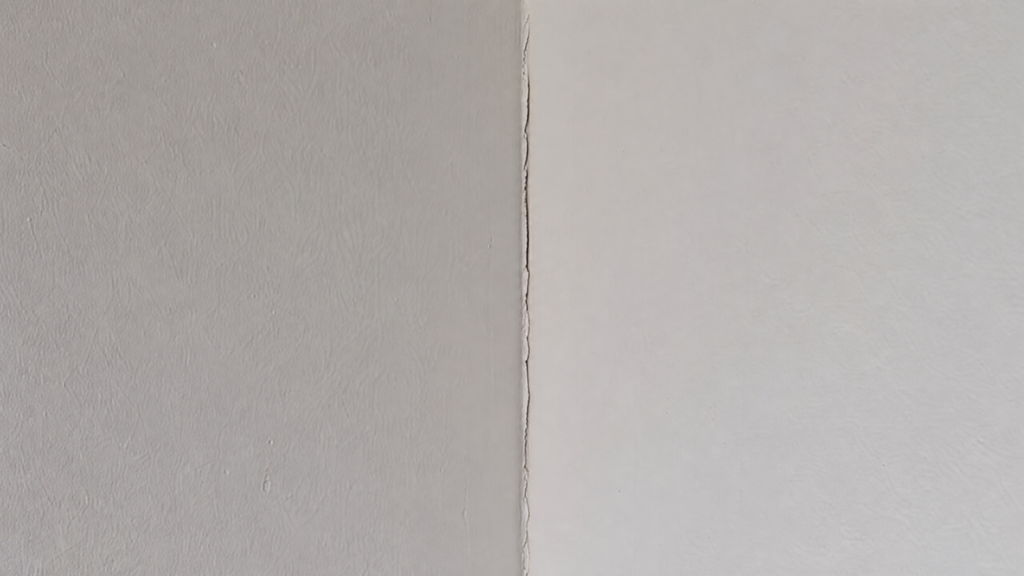
Moisture can also contribute to cracking when it damages drywall or surrounding materials. If a corner crack appears with discoloration, softness, peeling paint, or a musty smell, investigate possible moisture problems before repairing the surface.
9. Cracks Around Doors and Windows
Cracks around doors and windows can develop because openings interrupt the normal structure of a wall and create areas where stress can concentrate.
Small cracks around a window or door frame can result from normal settling, drywall movement, or changes in the surrounding materials. They are not automatically signs of structural damage.
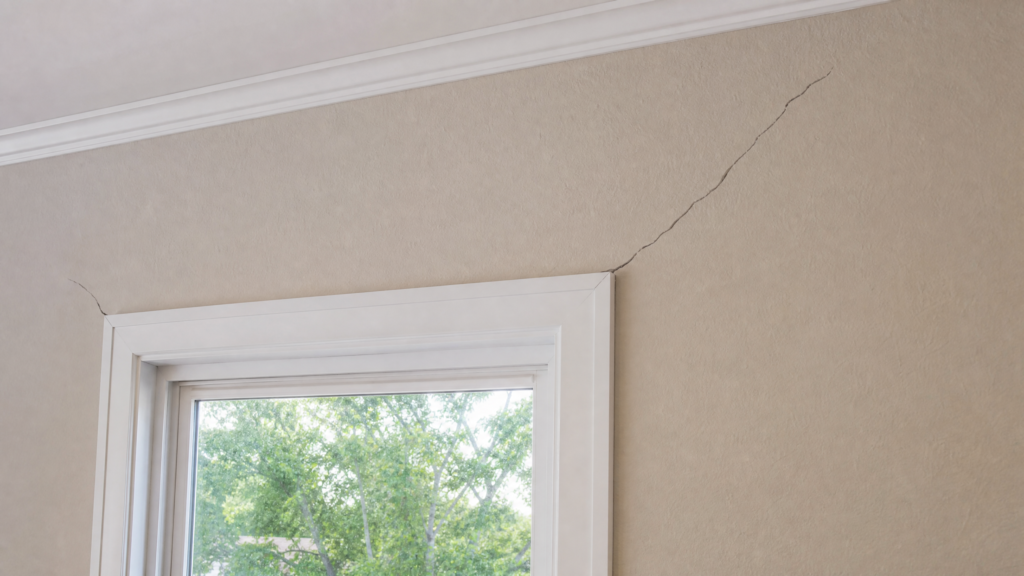
The situation deserves more attention when cracks become larger, extend diagonally from the corners, appear on multiple openings, or occur together with sticking doors and windows or visible gaps around the frames.
10. Structural Wall Cracks
Structural wall cracks are cracks associated with movement or damage that may affect the building’s structure rather than only its surface finish.
Potential warning signs include cracks that are wide, rapidly growing, repeated across several areas, or accompanied by other changes in the building. Horizontal cracks in certain foundation or masonry walls, significant stair-step cracking, major displacement, or cracks combined with uneven floors can require professional assessment.
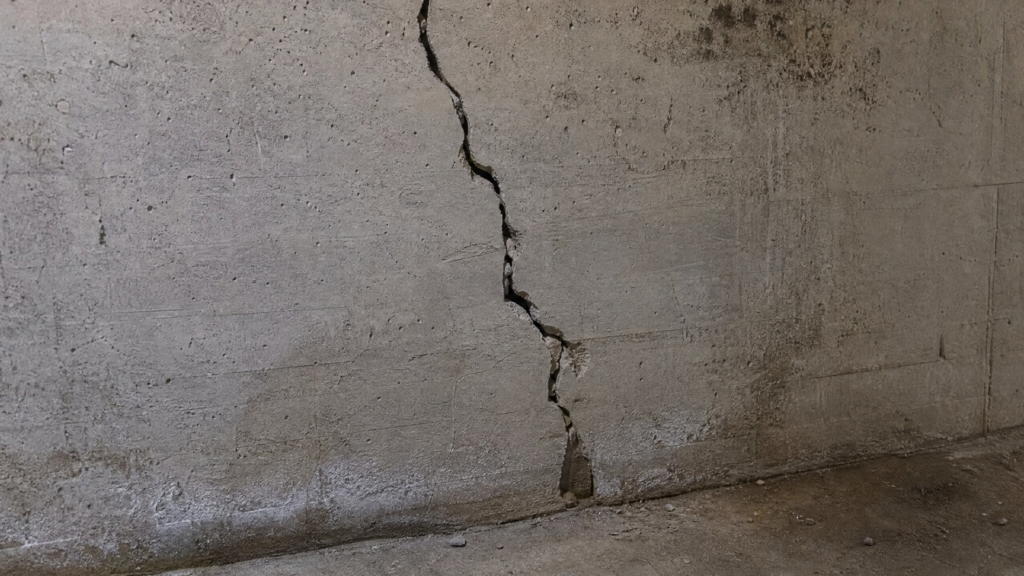
It is important not to label a crack as structural simply because it is horizontal, vertical, or diagonal. A qualified professional may need to examine the wall and the surrounding structure to determine the actual cause.
Related: How to Organize Bathroom Cabinet: 10 Simple Ideas (2026)
What Causes Cracks in Walls?
Wall cracks can develop for many reasons, and the visible crack is not always enough to identify the cause. Looking at the surrounding conditions can provide useful clues.
House Settling and Normal Movement
Normal building movement is one of the common reasons small cracks appear in walls.
As a house settles and building materials respond to changes in temperature and moisture, small movements can occur. Drywall joints, plaster, and other finishes may crack as a result.
Small, stable cracks are generally less concerning than cracks that continue to grow or appear with other signs of movement.
Temperature and Humidity Changes
Changes in temperature and humidity can make some building materials expand and contract.
Repeated expansion and contraction can put stress on drywall joints, plaster, paint, and other finishes. This is one reason small cracks may appear or become more noticeable during seasonal changes.
Keeping indoor moisture levels reasonably stable and maintaining proper ventilation can help reduce some moisture-related problems, although it cannot prevent every type of wall crack.
Foundation Movement
Foundation movement can sometimes cause cracks to appear in walls and masonry.
Changes in soil conditions, settlement, drainage problems, or other foundation-related movement can transfer stress into the walls above. Cracks associated with foundation movement may occur alongside sticking doors, uneven floors, gaps, or other changes.
Because foundation problems can have several causes, significant or progressing cracking should be professionally assessed rather than repaired only at the surface.
Moisture and Water Damage
Water can weaken or damage wall materials and create conditions that lead to cracking.
Leaks from plumbing, roofs, windows, or exterior walls can damage drywall and other finishes. Water damage may also appear with stains, peeling paint, soft drywall, swelling, or mold-like growth.
If moisture is causing the damage, fixing the visible crack without addressing the water source is unlikely to provide a lasting solution.
Poor Construction or Materials
Installation problems can also contribute to recurring wall cracks.
Examples include poorly finished drywall joints, inadequate joint reinforcement, incorrect fastening, or incompatible materials. These issues can cause cracks to repeatedly appear in the same location.
When a crack returns shortly after repair, investigate why the area is moving instead of repeatedly covering the surface.
Soil Movement and Ground Conditions
Changes in the ground around a building can sometimes affect the structure above it.
Expansive soils, poor drainage, erosion, and changes in moisture conditions can contribute to ground movement. The effect varies greatly depending on the building, foundation type, soil, drainage, and local conditions.
For that reason, serious foundation-related cracking should be evaluated based on the whole building rather than one crack in isolation.
When Should You Worry About a Wall Crack?
| Crack Characteristic | Usually Less Concerning | Needs Attention |
|---|---|---|
| Width | Very thin or hairline | Wide or noticeably widening |
| Change over time | Remains stable | Continues growing |
| Pattern | Small isolated crack | Multiple connected or spreading cracks |
| Location | Surface drywall or finish | Foundation or masonry |
| Other symptoms | No other damage | Uneven floors, sticking doors, gaps or water damage |
| Moisture | No visible moisture | Stains, leaks, dampness or damaged material |
A crack that is stable and isolated is generally different from one that is rapidly changing. If you notice significant movement, increasing width, displacement, or several related symptoms, it is better to investigate the cause before attempting a cosmetic repair.
How to Tell if a Wall Crack Is Structural
Watch for cracks that become wider or longer over time, especially when they appear in several areas. Horizontal or stair-step cracks in masonry and foundation walls can also deserve closer inspection.
Other warning signs include doors or windows that suddenly stick, uneven or sloping floors, visible gaps around openings, walls that appear to bow or move, and significant separation between building materials.
One useful habit is to document changes. Take clear photographs of a crack from the same angle and periodically compare its appearance. You can also record the approximate location and visible width.
This does not replace a professional inspection, but it can help you describe the problem more accurately if you need expert advice.
How to Fix Cracks in Walls
The right repair depends on why the crack appeared, so repairing the surface should come after identifying the likely cause.
How to Repair Small Hairline and Drywall Cracks
Small surface cracks can often be repaired once the wall is confirmed to be stable.
For a typical drywall crack, the damaged area can be cleaned, loose material removed, and the crack repaired with an appropriate joint or patching compound. Depending on the location, reinforcing tape may be useful. After the repair dries, it can be sanded smooth and painted.
The important step is not to rush straight to painting. If the crack is caused by continuing movement, the new finish may crack again.
When Professional Crack Repair Is Needed
Professional assessment is the safer choice when a crack is large, rapidly changing, repeatedly returning, or accompanied by other structural warning signs.
Consider getting qualified help when you notice significant horizontal or stair-step cracking, major foundation cracks, wall displacement, uneven floors, persistent water damage, or several signs of movement occurring together.
Do not rely on online photographs alone to determine whether a serious crack is structural. A proper assessment may require examining the foundation, framing, drainage, soil conditions, and other parts of the building.
How to Prevent Wall Cracks From Coming Back
Preventing recurring cracks starts with addressing the reason they developed.
Keep an eye on drainage around the home, repair leaks promptly, maintain appropriate indoor humidity, and address damaged exterior areas before water can enter the wall system.
For repeated drywall cracking, the underlying joint or movement should be investigated instead of repeatedly applying filler. For suspected foundation or structural movement, professional evaluation is more appropriate than a cosmetic repair.
Wall Cracks vs. Structural Cracks: Quick Comparison
| Feature | Often Cosmetic | Potentially Concerning |
|---|---|---|
| Appearance | Fine surface line | Wide, deep or displaced crack |
| Progression | Stable | Growing or spreading |
| Location | Drywall finish | Foundation or masonry |
| Pattern | Isolated | Multiple related cracks |
| Surrounding area | Looks normal | Gaps, movement or bowing |
| Other symptoms | None | Uneven floors or sticking doors |
| Moisture | No water damage | Leaks, stains or damp materials |
This comparison is a guide rather than a diagnosis. A building professional should evaluate significant cracks when their cause is uncertain or when other warning signs are present.
Wall cracks can have many different causes, and a photograph or visual description alone cannot confirm whether a crack is structural. This guide is intended to help homeowners understand common crack patterns, possible causes, and warning signs that may require further attention.
If a crack is growing, unusually wide, appears in a foundation or masonry wall, or occurs with uneven floors, sticking doors or windows, water damage, wall movement, or other signs of structural change, consider having the property assessed by a qualified building professional or structural engineer. Do not rely on surface repairs alone when the underlying cause is uncertain.
This guide was created to give homeowners a simple way to recognize common wall-crack patterns and understand when a crack may deserve closer attention. We organized the information around crack direction, location, appearance, progression, moisture, and other signs that can occur alongside wall movement. Because the same type of crack can have different causes in different buildings, the information is presented as general guidance rather than a diagnosis of any specific property.
Sources & References
For additional information about wall and masonry cracking, crack monitoring, and building movement, the following reputable sources were consulted:
National Park Service (NPS): Common Problems with Brick Masonry — Information on masonry cracking, movement, settlement, moisture and thermal effects, and monitoring.
National Park Service (NPS): A Glossary of Historic Masonry Deterioration Problems and Preservation Treatments — Reference information on masonry cracking and conditions that may require monitoring.
Final Thoughts
Wall cracks are not all the same, and their appearance alone does not always reveal the cause. Small, stable hairline cracks can often be related to normal movement or surface materials, while growing cracks, major masonry cracking, water damage, or signs of building movement deserve closer attention.
The best approach is to identify the crack, look for related symptoms, monitor changes, and address the underlying cause before making a cosmetic repair.
If you enjoy practical home and lifestyle advice, explore more ideas on Daily Idea Book, including our Home & Living section for additional ways to improve and organize your home.
Frequently Asked Questions
When should I worry about cracks in walls?
You should worry when a crack is wide, growing, deep, or accompanied by other signs of movement. Pay closer attention to cracks with uneven floors, sticking doors or windows, gaps around openings, bowing walls, water damage, or multiple connected cracks. Cracks in foundation or masonry walls may also need professional assessment.
How do you fix cracks in walls?
The right repair depends on the type and cause of the crack. Small drywall hairline cracks can often be repaired with joint compound or suitable crack filler, followed by sanding and repainting. However, growing, recurring, wide, or structural-looking cracks should be inspected first rather than simply covered with filler.
Is it safe to ignore wall cracks?
Not always. Small, stable surface cracks may be harmless, but cracks that widen, lengthen, return after repair, or appear with other signs of movement should not be ignored. Monitor changes over time and consider professional inspection if the cause is unclear or the crack appears significant.
What kind of cracks in walls are bad?
Cracks that are wide, rapidly growing, deep, displaced, or associated with movement are more concerning. Horizontal or stair-step cracks in masonry and foundation walls deserve closer attention, especially when they occur with bowing, water intrusion, uneven floors, or sticking doors and windows.
Are hairline cracks in walls normal?
Yes, some hairline cracks are common, particularly in drywall, plaster, and other finished surfaces. They can result from normal material movement, drying, temperature changes, or minor settling. However, a hairline crack that continues to grow, spreads, or appears with other damage should be investigated.
Are horizontal cracks in walls serious?
Horizontal cracks can be more concerning than many small surface cracks, particularly when they occur in foundation or masonry walls. Their seriousness depends on factors such as width, depth, location, movement, and surrounding damage. A growing horizontal crack should be assessed by a qualified professional.
What causes cracks in drywall?
Drywall cracks can be caused by normal settling, temperature or humidity changes, joint movement, poor installation, vibration, or movement in the underlying structure. Cracks commonly appear around drywall joints, corners, doors, windows, and fasteners. Recurring or spreading cracks may indicate movement that needs further investigation.