
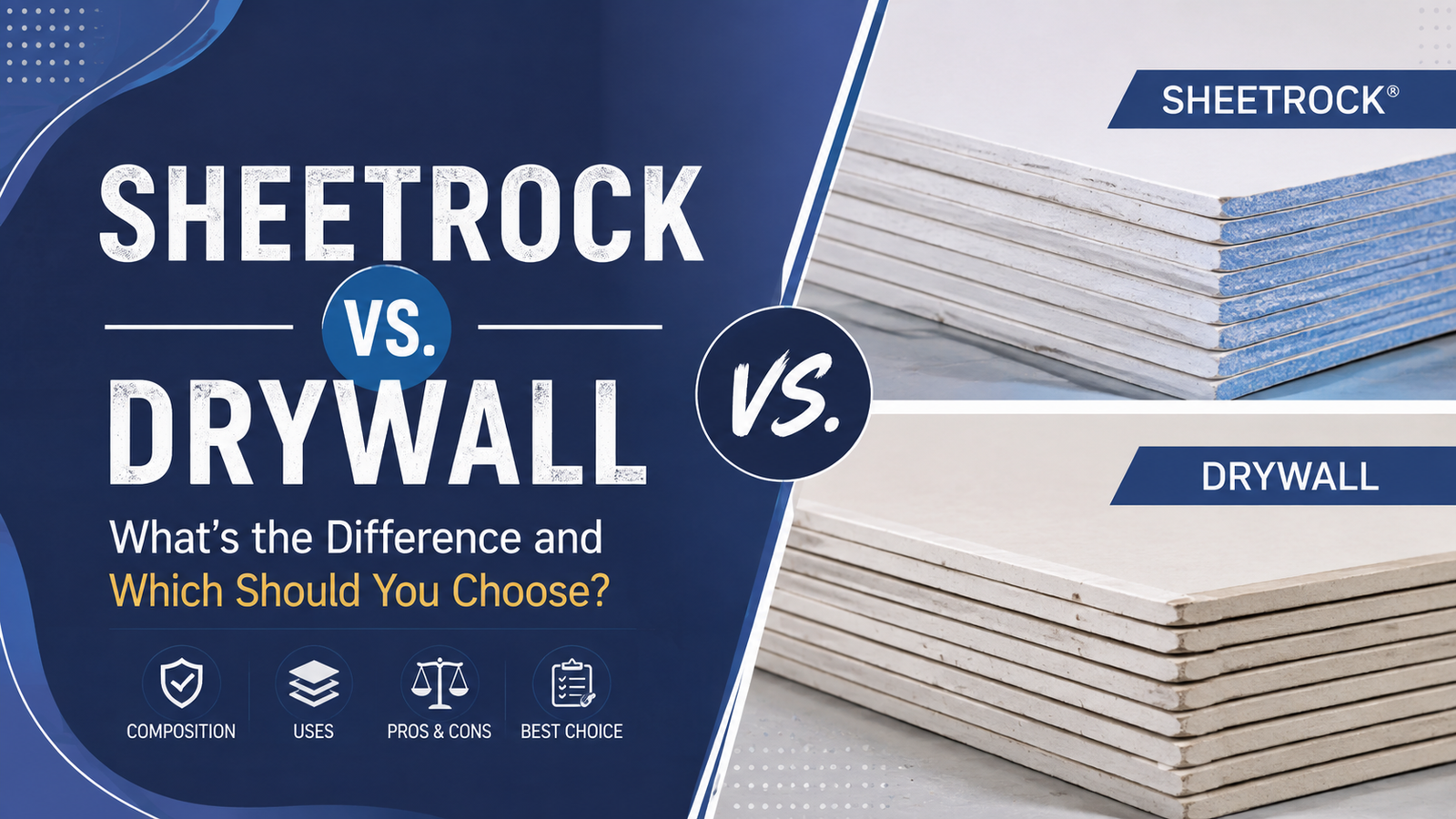
The main difference is simple: Sheetrock is a brand of drywall, while drywall is the general name for the wallboard material. In everyday conversation, many people use both words to mean the same thing, but they are not technically identical terms.
Drywall is a broad category of gypsum-based panels used to create interior walls and ceilings. Sheetrock is a specific brand name associated with drywall products. This is similar to how a brand name can sometimes become so familiar that people use it when referring to an entire type of product.
For most homeowners, the important thing is understanding what type of panel you need for your project, rather than choosing based on the name alone. Panel thickness, moisture resistance, fire resistance, sound control, and the installation location can all matter.
If you enjoy simple comparisons that explain confusing home materials, you may also find our guide to PEX-A vs. PEX-B helpful.
Sheetrock vs. Drywall at a Glance
Here is the quickest way to understand the difference between Sheetrock and drywall.
| Feature | Sheetrock | Drywall |
|---|---|---|
| Meaning | A brand name used for gypsum wallboard products | A general name for gypsum wallboard |
| Category | Specific manufacturer’s product line | Broad building material category |
| Main material | Gypsum-based wallboard | Usually gypsum-based wallboard |
| Common use | Interior walls and ceilings | Interior walls and ceilings |
| Available types | Depends on the product line | Available in many types and brands |
| Is every product the same? | No | No |
| Best choice depends on | Specific product and project needs | Specific product and project needs |
The easiest way to remember it is this: all Sheetrock products in this context are drywall products, but not all drywall is Sheetrock.
What Is Drywall?
Drywall is a commonly used panel material designed to create smooth interior walls and ceilings. It is widely used in modern homes because it is practical, relatively quick to install, and available in different panel types for different applications.
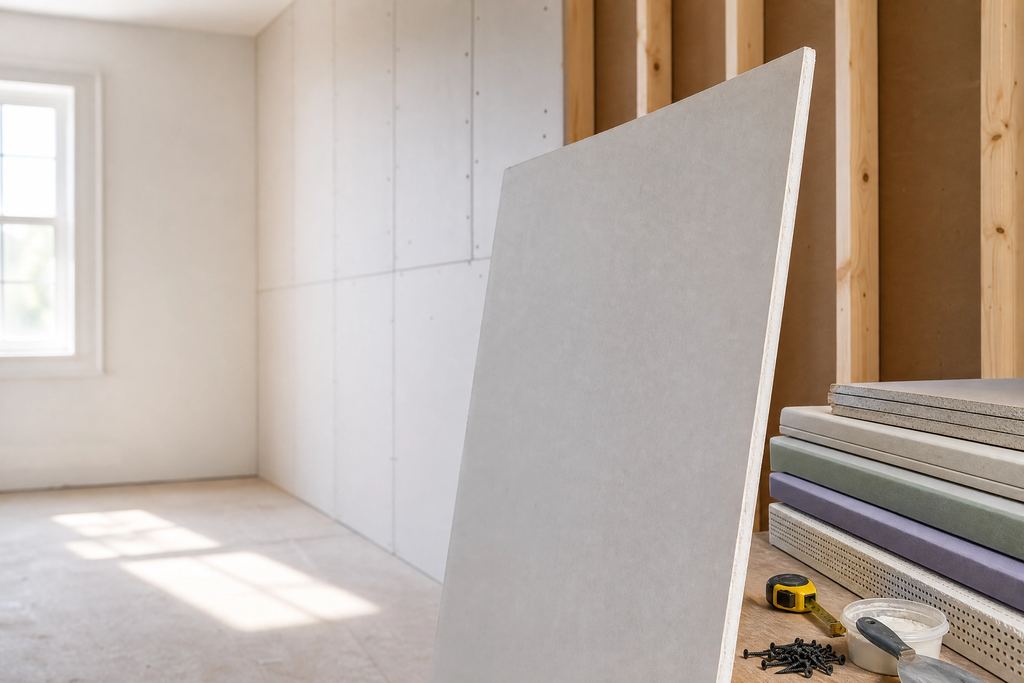
A typical drywall panel has a gypsum core with facing material on the outside. Gypsum is valued in construction because of its useful properties, including its natural resistance to fire. However, the exact construction and performance of a panel can vary depending on its type and manufacturer.
Drywall is not a single product with one exact specification. You may find different options designed for standard interior walls, areas with higher moisture exposure, locations requiring improved fire performance, or projects where sound control is important.
Common drywall-related panel options include:
- Standard drywall for many interior walls and ceilings
- Moisture-resistant panels for suitable damp locations
- Fire-resistant panels where a required assembly calls for them
- Sound-control panels designed for specific acoustic needs
- Specialty panels made for particular building conditions
Choosing the right drywall type matters more than simply choosing a familiar name. Before buying panels, consider where they will be installed and what performance the wall or ceiling needs to provide.
For example, a standard bedroom wall may have different requirements from a ceiling with existing drywall nail pops or a wall that has developed visible wall cracks.
What Is Sheetrock?
Sheetrock is a brand name used for a range of gypsum wallboard products rather than a separate building material from drywall. This is why the two words are often used interchangeably by homeowners and even in casual conversations about construction.
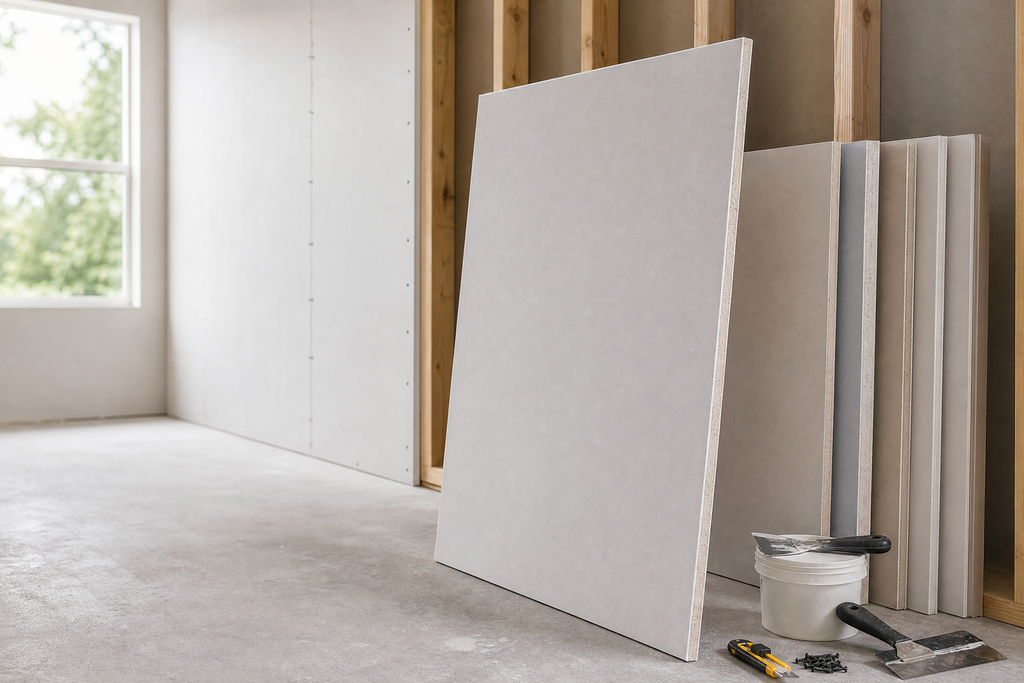
The important point is that Sheetrock describes products under a particular brand, while drywall can refer to gypsum wallboard products more generally. A project may use a Sheetrock product, another manufacturer’s drywall product, or another approved panel suited to the application.
People often say things like, “The wall is made of Sheetrock,” even when they simply mean gypsum wallboard. This common use can create confusion, especially when someone is trying to compare the materials.
In practical terms, Sheetrock and drywall often perform the same basic job: they are used to create interior wall and ceiling surfaces. The actual differences you should compare are the specific panel type, thickness, intended use, and performance rating.
Why Are the Terms Used Interchangeably?
The terms are commonly mixed because the Sheetrock name became widely recognized in home construction. As a result, many people began using “Sheetrock” as a casual word for drywall in the same way people sometimes use a well-known brand name for a general product category.
That does not mean every drywall panel is made by the same manufacturer. When buying materials or planning a repair, it is better to check the actual product specifications instead of assuming all panels are identical.
Sheetrock vs. Drywall: Key Differences
The biggest difference between Sheetrock and drywall is the name and product category, not the basic purpose of the material. Both are associated with gypsum wallboard used for interior construction, but the specific products available can differ.
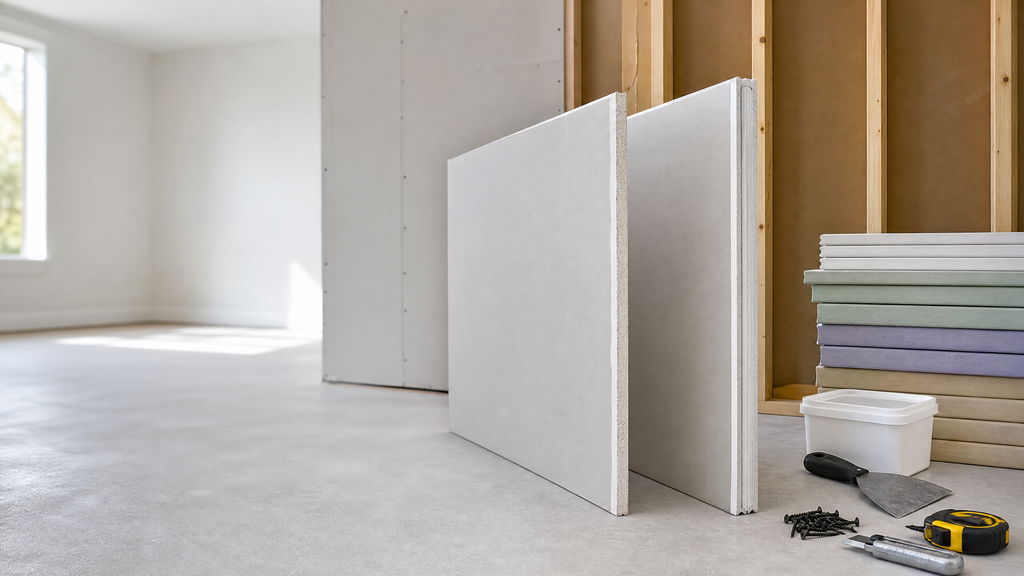
Brand Name vs. Generic Name
Sheetrock is a brand name, while drywall is the general term most people use for the material. This is the clearest difference and answers the main question behind the comparison.
When someone asks for drywall, they may be referring to products from several manufacturers. When someone asks specifically for Sheetrock, they are referring to a particular brand’s product range.
For a repair, always make sure the panel you choose is suitable for the job. Matching the correct thickness and panel type is often more important than matching the everyday name people use for the wallboard.
Materials and Construction
Both Sheetrock products and other drywall products are generally gypsum-based, but individual panel construction can vary. Different manufacturers offer products designed for different performance needs.
Do not assume that every standard-looking panel has exactly the same features. Some panels may be designed for better moisture resistance, fire performance, abuse resistance, or sound control.
The best approach is to read the product information and select a panel that is appropriate for the wall or ceiling assembly. If your project involves repairing damage, first identify the cause rather than simply covering the problem.
For example, water damage should be investigated carefully, especially if moisture may be coming from another area of the home. Our guide on dealing with water in a crawl space can help you understand why controlling moisture before repairing affected areas is important.
Types and Available Options
Both categories include products made for more than just ordinary walls. The available options depend on the manufacturer and product line.
You may find panels designed for:
- General interior walls
- Ceilings
- Fire-rated assemblies
- Areas where moisture resistance is needed
- Improved sound performance
- Other specialized applications
Always choose the panel for the application, not just for the name printed on it. A standard panel may be appropriate for one room but unsuitable for another.
Quality and Performance
Neither “Sheetrock” nor “drywall” automatically means one panel is always better than another. Performance depends on the exact product being compared.
A specialty product from one manufacturer may offer features that a basic panel from another does not. At the same time, a basic panel may be perfectly suitable when no special performance is required.
When comparing products, check details such as:
- Panel thickness
- Intended application
- Fire-performance requirements
- Moisture resistance
- Sound-control features
- Installation instructions
- Compatibility with the planned wall or ceiling system
Cost
The cost can vary by product type, thickness, local availability, and special performance features. It is not accurate to assume that every Sheetrock product costs more or less than every other drywall product.
Specialty panels may cost more than standard panels because they are designed for additional performance requirements. Compare the specific products you are considering rather than relying only on the brand name.
Are Sheetrock and Drywall Actually the Same Thing?
In everyday use, people often mean the same thing, but technically Sheetrock is a type of branded drywall product rather than a separate category of material.
Think of drywall as the broad category and Sheetrock as a recognized name within that category. This is why both terms can appear in discussions about the same wall material.
However, you should not assume that two panels are interchangeable just because they are both called drywall. Thickness, product type, and intended application still need to match the project.
Can You Use Sheetrock and Other Drywall Brands Together?
Yes, different brands of suitable gypsum wallboard can often be used in the same project, but the panels must be appropriate for the application and assembly. The brand name alone does not determine whether a panel can be used for a particular repair or installation.
For a simple wall repair, one important factor is matching the existing panel thickness so the repaired area sits flush with the surrounding surface. You should also choose a panel suitable for the location and finish the joints correctly.
Be especially careful with walls or ceilings that have required fire-rated or other tested performance assemblies. Replacing one component with another product without checking the applicable requirements may affect the assembly’s intended performance.
If you are unsure about an unusual wall, ceiling, or building assembly, check the relevant product documentation and local building requirements or consult a qualified professional.
The same principle applies when fixing other home problems: solving the visible issue is not always enough. For example, if a ceiling has cracks, it helps to understand the possible cause before making cosmetic repairs. See our guide to cracks in ceilings for more information about identifying possible causes.
Which Should You Choose for Your Project?
You should choose the specific wallboard product that matches your project’s requirements instead of choosing based only on whether the name says Sheetrock or drywall.
For most projects, start by asking: Where will this panel be installed, what does it need to do, and what specifications are required?
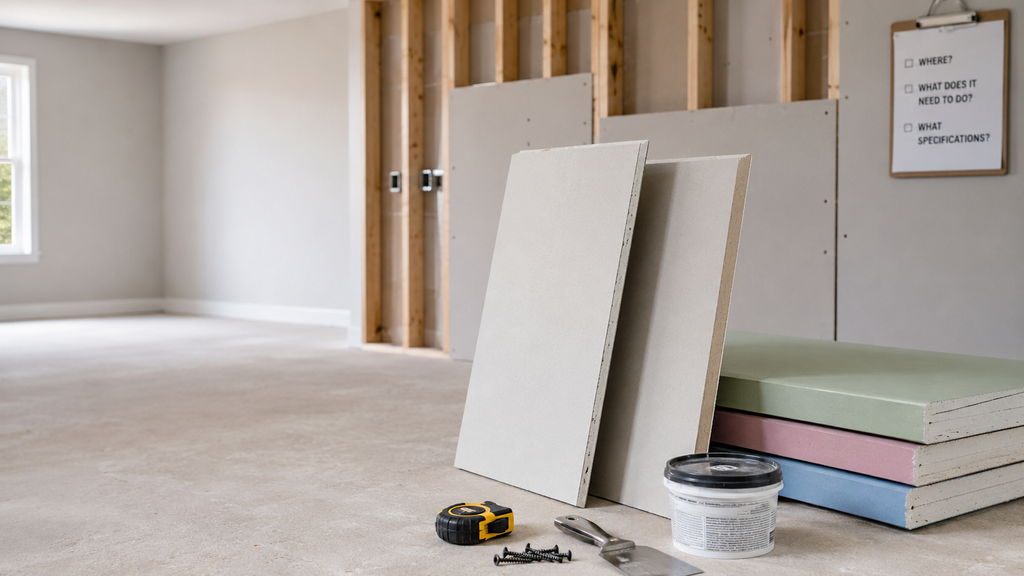
Choose a Suitable Standard Drywall Panel If…
A standard drywall panel may be the right choice when your project is a typical interior wall or ceiling installation with no special performance requirements.
Before choosing, confirm the correct thickness and dimensions for your project. Also consider the existing wall construction if you are making a repair.
Standard panels can be practical for many common interior applications, but they are not automatically suitable for every location.
Choose a Specific Sheetrock Product If…
A Sheetrock product may be a good choice when a product in that line matches the requirements of your project and is readily available.
The key is to compare the exact product’s intended use and specifications. Do not choose it only because the brand name is familiar.
If you are replacing damaged wallboard, match the necessary thickness and choose a suitable panel for the location. A careful repair can also prevent problems with an uneven finished surface.
Consider Specialized Panels If…
Specialized wallboard should be considered when your project has specific moisture, fire, sound, or other performance needs.
This is where reading product specifications becomes especially important. For example, a panel designed for one type of environment may not be appropriate for another.
If moisture has affected the surrounding area, do not simply install a new panel over an unresolved problem. Find and correct the source first. Similar care is useful throughout home maintenance, whether you are repairing walls or dealing with problems such as a garbage disposal that is not working.
Sheetrock vs. Drywall: Which Is Better?
Neither is automatically better because Sheetrock is a brand of drywall, and the better choice depends on the specific products being compared.
A well-chosen drywall panel from any suitable product line can perform properly when it matches the requirements of the installation. Likewise, a Sheetrock product may be an excellent choice when its specifications fit your project.
Instead of asking only, “Which one is better?” ask these questions:
- What type of room is this?
- Is moisture resistance needed?
- Does the wall or ceiling require a specific fire-rated assembly?
- What thickness matches the existing construction?
- Is sound control important?
- What products are available for the correct application?
For most homeowners, the best choice is the panel that is correctly specified for the job. Brand recognition can help you find a product, but the actual product specifications should guide the final decision.
Common Misconceptions About Sheetrock and Drywall
Several common misunderstandings can make this comparison seem more complicated than it really is.
“All Drywall Is Sheetrock”
No, all drywall is not Sheetrock because drywall is a broad product category and Sheetrock is a brand name. Other manufacturers also produce gypsum wallboard products.
“Sheetrock Is a Completely Different Material”
No, Sheetrock is not a completely separate material category from drywall. It refers to a branded line of gypsum wallboard products.
“Sheetrock Is Always Better”
No brand name automatically makes every product better for every project. A panel must be compared based on its actual specifications and suitability for the installation.
“Any Drywall Panel Can Replace Any Other Panel”
No, different panels can have different thicknesses and performance characteristics. Matching the right product to the project is important, especially when repairing an existing wall or ceiling.
If you are working through several home projects, you can explore more practical guides in our Home & Living section or browse additional ideas on the Daily Idea Book blog.
Final Verdict
Sheetrock is a brand of drywall, while drywall is the general name for the gypsum-based wallboard category. That means the two terms are closely related, but they do not have exactly the same meaning.
For your project, do not focus only on the name. Compare the specific panel type, thickness, intended use, and performance requirements. A standard interior wall, a moisture-prone area, and a specialized wall or ceiling assembly may each need a different type of product.
The simplest answer is: Sheetrock is drywall, but not all drywall is Sheetrock. Once you understand that distinction, choosing the right product becomes much easier.
For more practical home improvement ideas and helpful guides, visit Daily Idea Book.
How We Created This Guide
This guide explains the difference between Sheetrock and drywall using manufacturer information and recognized gypsum panel guidance. We focused on the terms, common uses, panel types, and practical factors homeowners should consider.
Editorial & DIY Safety Note
This article is for general educational purposes. Always check the manufacturer’s instructions and use the correct panel for your project. For fire-rated assemblies, major damage, or unusual conditions, consult a qualified professional.
FAQs About Sheetrock vs Drywall
1 Is Sheetrock stronger than regular drywall?
Sheetrock is not automatically stronger simply because it is Sheetrock. Strength and performance depend on the specific product and its intended use. Compare the exact panel specifications rather than assuming every branded product performs the same way.
2 Why do people call drywall Sheetrock?
Many people use “Sheetrock” as a general word for drywall because the brand name became widely recognized. However, technically, Sheetrock refers to a specific brand of gypsum wallboard products.
3 Is all Sheetrock drywall?
Yes, Sheetrock products discussed in this context are drywall or gypsum wallboard products, but not all drywall products are Sheetrock. Drywall is the broader category.
4 Is Sheetrock more expensive than drywall?
The price depends on the specific products being compared. Thickness, specialty features, local availability, and other factors can affect the cost, so compare individual products rather than assuming one name is always more expensive.
5 Can you repair drywall with Sheetrock?
A suitable Sheetrock panel can generally be used for a drywall repair when it matches the project’s requirements. Make sure the thickness and panel type are appropriate for the existing wall, and address any underlying cause of the damage before completing the repair.
6 What is the difference between gypsum board, drywall, and Sheetrock?
Gypsum board and drywall are commonly used terms for gypsum-based wall panels, while Sheetrock is a brand name associated with specific gypsum wallboard products. The exact terminology can vary depending on region and everyday usage.
Sources & References
The following sources were used to help verify product and installation information:
- USG: Sheetrock® Brand Gypsum Panels — Official product information and specifications.
- Gypsum Association: GA-216-2024 — Guidance for the application and finishing of gypsum panel products.
USG’s official product documentation identifies Sheetrock as a gypsum panel product line, while the Gypsum Association’s GA-216 provides industry guidance on gypsum panel application and finishing.