
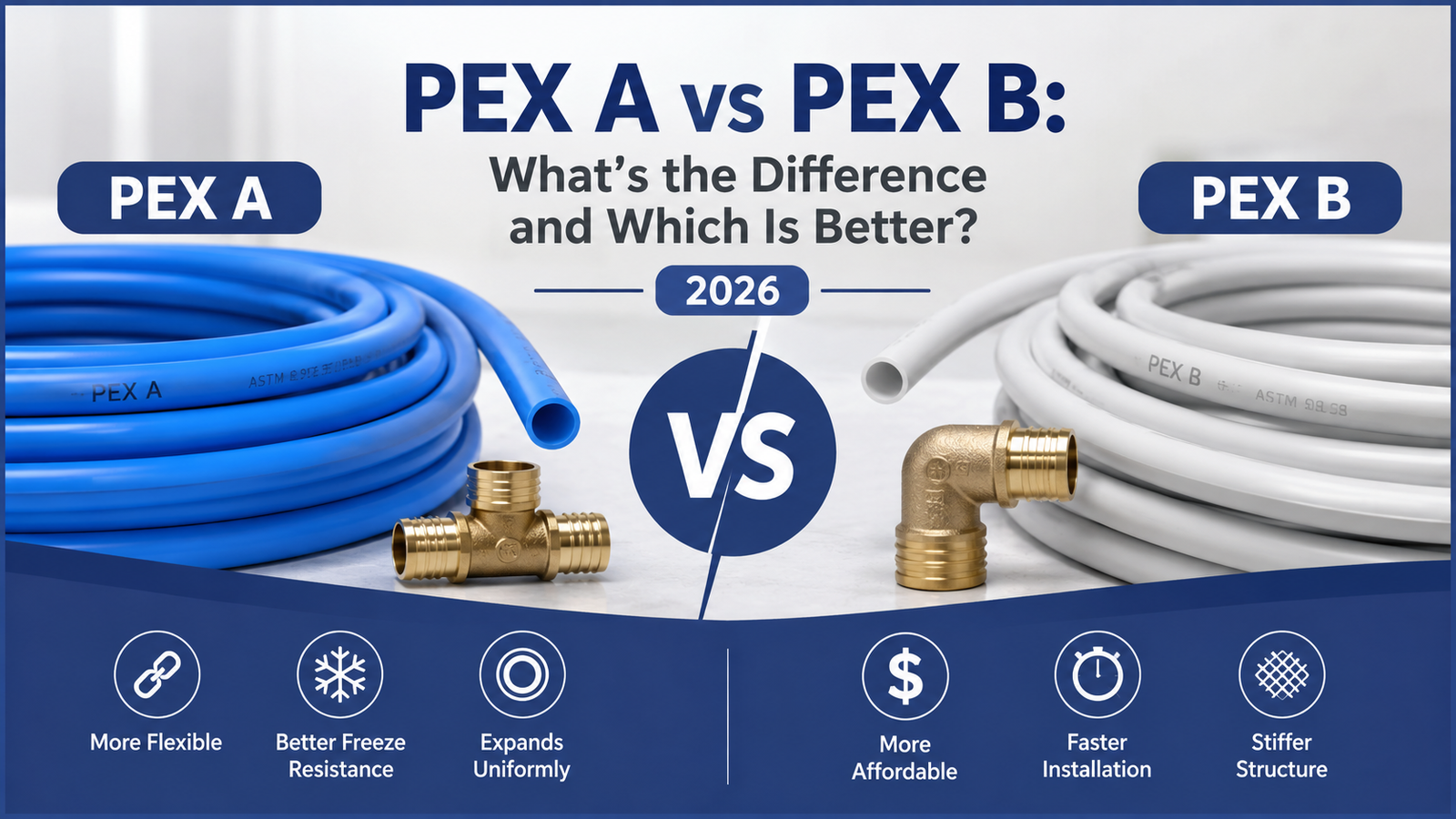
PEX A vs PEX B: Quick Answer
PEX A is generally more flexible and easier to work with around bends, while PEX B is often less expensive and widely used for traditional plumbing installations. Neither type is automatically the best choice for every home because the right option depends on your budget, installation method, local code requirements, and the fitting system being used.
The biggest difference comes from how the PEX tubing is manufactured, which affects its flexibility, expansion ability, and the connection methods commonly used with it. PEX A can expand more and return closer to its original shape, while PEX B is typically stiffer but can still provide reliable performance when installed correctly.
For homeowners planning repairs or upgrades, understanding the material before starting can help prevent expensive mistakes. You can find more practical household repair guides in our Home & Living section and throughout the Daily Idea Book blog.
Quick takeaway
If flexibility and expansion-style connections are your priorities, PEX A may be the better fit. If lower material costs and a more traditional crimp-style installation are more important, PEX B may make more sense.
What Is PEX A?
PEX A is a type of cross-linked polyethylene tubing known for its high flexibility and strong expansion capability. It is commonly associated with the Engel method of manufacturing, although product performance and approved installation methods can vary by manufacturer.
One of its most noticeable features is that the tubing can expand significantly during certain connection methods. An expansion fitting system uses a compatible tool to temporarily enlarge the tubing and expansion ring before the material contracts around the fitting.
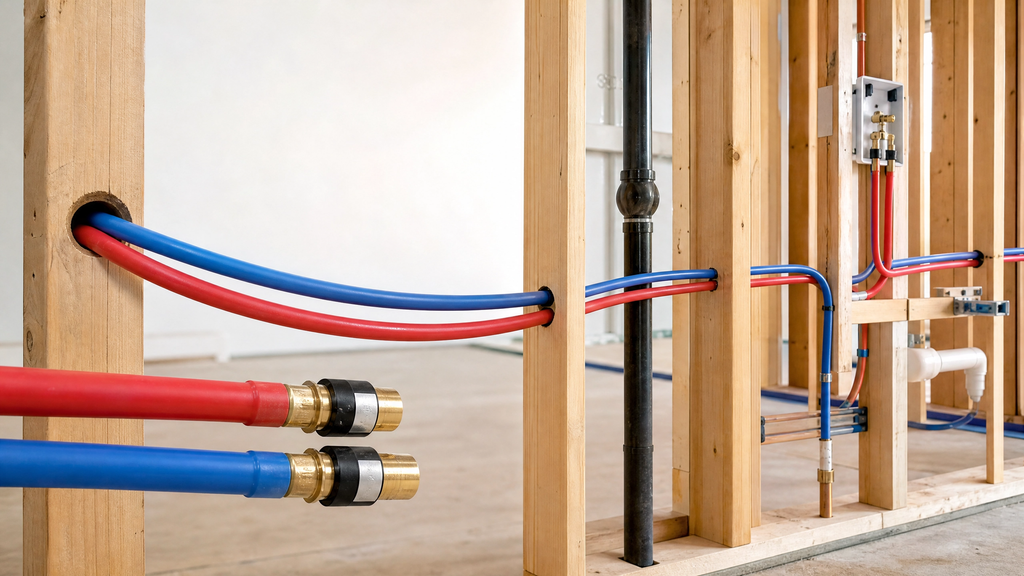
This flexibility can make PEX A easier to route through framing and around obstacles. Fewer directional changes may also mean fewer fittings in some plumbing layouts, although the actual number of fittings depends on the design of the system.
PEX A is often chosen for projects where installers want greater flexibility, especially when working in tight or complicated spaces. However, the tubing and compatible connection system may cost more than some alternatives.
Main Features of PEX A
- Highly flexible compared with many other PEX options
- Can be used with approved expansion connection systems
- Often easier to route around bends
- Has strong expansion and shape-recovery characteristics
- May have a higher upfront material cost
What Is PEX B?
PEX B is another widely used type of cross-linked polyethylene tubing that is generally stiffer than PEX A but remains a durable option for many plumbing systems. It is commonly manufactured using a different cross-linking process, which contributes to its different physical characteristics.
PEX B is frequently used with approved mechanical connection methods, such as compatible insert fittings with crimp or clamp rings. The exact fittings and installation method should always match the tubing manufacturer’s instructions.
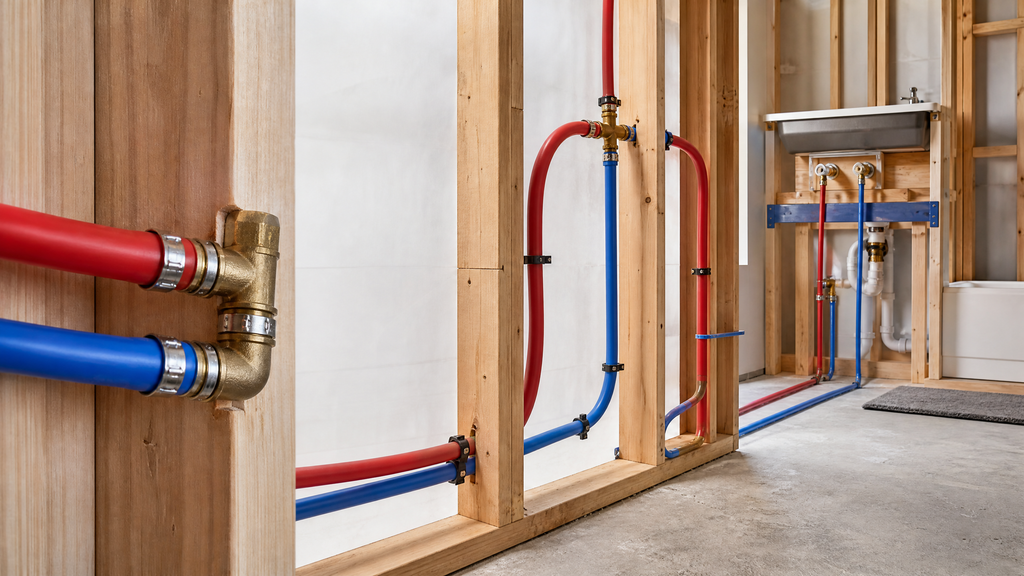
Because PEX B products are often competitively priced, they can be attractive for homeowners and contractors who want to control project costs. Its lower flexibility, however, may require more careful routing or additional directional fittings in certain installations.
PEX B can still be a very practical plumbing material when it is properly selected, installed, and connected using an approved system. The best choice should not be based on flexibility alone.
Main Features of PEX B
- Usually less expensive than PEX A
- Commonly used in residential plumbing
- Typically stiffer and less flexible
- Often used with compatible crimp or clamp connection systems
- Can provide dependable long-term service when properly installed
PEX A vs PEX B: Key Differences at a Glance
The easiest way to understand PEX A and PEX B is to compare the features that matter most during installation and everyday use.
| Feature | PEX A | PEX B |
|---|---|---|
| Flexibility | Generally more flexible | Generally less flexible |
| Expansion ability | Higher | Lower |
| Common connection approach | Compatible expansion systems | Compatible crimp or clamp systems |
| Ease around bends | Often easier | May require more directional changes |
| Material cost | Often higher | Often lower |
| Shape recovery | Stronger expansion recovery | Generally less than PEX A |
| Best for | Flexible routing and expansion systems | Budget-conscious and traditional installations |
These differences are useful for comparison, but they do not mean one product is always superior. The exact tubing, fitting system, local plumbing code, and manufacturer’s instructions should all be considered before making a final decision.
PEX A vs PEX B: Detailed Comparison
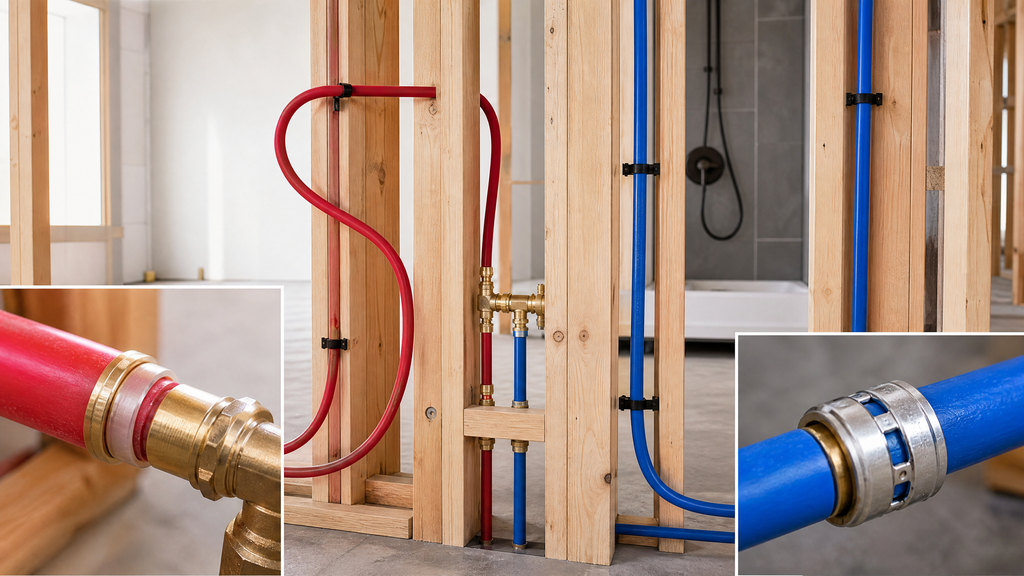
Flexibility and Ease of Installation
PEX A is usually the more flexible option, which can make installation easier when pipes need to travel around corners or through complicated framing. Greater flexibility may reduce the need for some directional fittings, depending on the layout and the minimum bend requirements for the specific product.
PEX B is generally stiffer, so installers may need to plan pipe routes more carefully. That does not make it difficult to install, but tighter spaces and frequent direction changes can require additional attention.
If you regularly handle home projects, choosing the right materials is only one part of avoiding repair problems. Our guide to fixing a garbage disposal that is not working is another example of why understanding the cause before starting a repair can save time and money.
Fittings and Connection Methods
The connection system is one of the most important differences between PEX A and PEX B. PEX tubing must always be connected using fittings, rings, tools, and procedures approved for that particular product and installation system.
PEX A is widely known for use with compatible cold-expansion systems. The tubing and expansion ring are enlarged before being placed over the fitting, after which the material contracts to create the connection.
PEX B is commonly installed with compatible mechanical systems, including crimp or clamp connections. However, you should never assume that every fitting method is approved for every PEX product.
Always check the manufacturer’s instructions and applicable plumbing requirements before buying fittings. Mixing incompatible parts or using the wrong tool can create a weak point in an otherwise good plumbing system.
Freeze Resistance and Expansion
PEX A generally has greater expansion capability, which can be an advantage when the tubing is exposed to limited freezing conditions. Its ability to expand and recover is one of its best-known characteristics.
However, no plumbing pipe should be treated as completely freeze-proof. Water can freeze in plumbing systems, and fittings, valves, connected equipment, or surrounding components may still be damaged even if the tubing itself survives.
Protecting pipes from freezing remains important regardless of whether you choose PEX A or PEX B. Proper insulation, correct installation, and protecting vulnerable areas are still essential.
Water problems can also affect other parts of a home. If moisture is entering below your house, our guide on what to do about water in a crawl space can help you understand common causes and possible solutions.
Durability and Long-Term Performance
Both PEX A and PEX B can provide reliable long-term performance when high-quality products are installed correctly and used within their rated conditions. The quality of the installation is often just as important as the letter printed on the tubing.
Problems may develop when tubing is damaged, exposed to unsuitable conditions, connected incorrectly, or installed without following the manufacturer’s requirements. Poor support, improper bends, incompatible fittings, and excessive exposure to damaging conditions can all affect a plumbing system.
For this reason, it is better to ask “Which system is right for this installation?” instead of simply asking which material is stronger.
Cost: Is PEX A More Expensive Than PEX B?
PEX A often costs more upfront, while PEX B is frequently the more budget-friendly option. Actual prices can vary by brand, tubing size, location, supplier, and the fittings and tools required for the chosen system.
The total project cost should include more than the price of the pipe itself. Consider:
- Tubing
- Fittings
- Connection rings or other approved components
- Required tools
- Labor
- Number of fittings needed for the layout
A less expensive pipe may not always produce the lowest total installation cost, especially if the routing requires additional fittings or labor. On the other hand, paying more for flexibility may not be necessary for a simple plumbing layout.
Water Flow and Inside Diameter
Water flow should be considered carefully because the tubing size and connection system can affect the available passage for water. A comparison should focus on the complete installed system rather than assuming that every pipe with the same outside size performs exactly the same way.
Some fitting designs extend inside the tubing and can affect the effective flow path. The number of fittings, pipe length, fixture demand, and overall plumbing design also matter.
If you are replacing or designing plumbing lines, it is important to size the system correctly instead of choosing PEX A or PEX B based on flow assumptions alone. For major plumbing changes, a qualified plumber can help confirm that the design is appropriate.
PEX A vs PEX B: Pros and Cons
PEX A Pros and Cons
PEX A’s biggest advantage is its flexibility, but that benefit may come with a higher initial cost.
Pros
- Very flexible and easier to route in many situations
- Strong expansion and shape-recovery characteristics
- Can work with approved expansion connection systems
- May reduce the need for some directional fittings
- Useful for complicated pipe routing
Cons
- Often costs more than PEX B
- Compatible expansion tools can add to project costs
- Installation still requires following the approved system instructions
- Greater flexibility does not remove the need for proper support and protection
PEX B Pros and Cons
PEX B’s biggest advantage is its value, offering a practical option for many residential plumbing projects.
Pros
- Often less expensive
- Widely available
- Commonly used in residential plumbing
- Compatible mechanical connection systems are familiar to many installers
- Can provide reliable performance when properly installed
Cons
- Usually less flexible than PEX A
- May require more directional fittings in some layouts
- Has less expansion capability
- Routing can be less convenient in tight spaces
PEX A vs PEX B: Which Is Better for Your Home?
PEX A is not automatically better than PEX B, because the right choice depends on your home’s plumbing layout and the installation system you plan to use.
A complicated renovation with tight framing, multiple bends, and difficult pipe routes may benefit from the added flexibility of PEX A. A straightforward project where cost is a major concern may make PEX B a practical choice.
Before choosing either option, consider your budget, pipe routing, connection method, tool availability, local requirements, and the manufacturer’s instructions.
Choose PEX A If…
PEX A may be the better choice if flexibility and expansion-style installation are your main priorities.
Consider PEX A when:
- Your plumbing route has many bends
- You want a highly flexible tubing option
- You are using a compatible expansion connection system
- You are willing to pay more upfront for the chosen system
- Your installation benefits from easier routing through framing
Choose PEX B If…
PEX B may be the better choice if you want to control material costs and use an approved mechanical connection system.
Consider PEX B when:
- Your budget is a major factor
- Your pipe routing is relatively straightforward
- You plan to use compatible crimp or clamp connections
- The required tools and components are readily available
- The selected product meets your project’s requirements
Can You Connect PEX A and PEX B Together?
PEX A and PEX B should not be mixed casually because the connection must be compatible with the specific tubing and approved installation system. The fact that both products are called “PEX” does not mean every fitting or method can safely be used with either one.
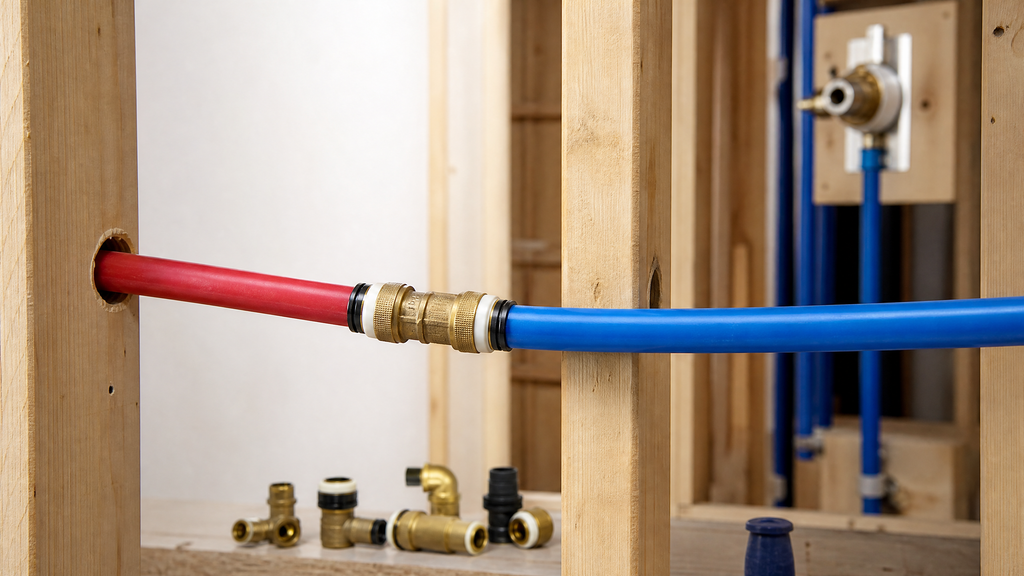
If two different types of PEX need to be connected, use a method specifically approved for the products involved. Check the manufacturer’s documentation and follow applicable plumbing requirements.
Never force tubing onto a fitting or use a connection method simply because the sizes appear to match. Compatibility depends on more than the nominal pipe size.
This same careful approach is important throughout home maintenance. Small warning signs should be checked before they become larger problems, whether you are dealing with plumbing or issues such as wall cracks and drywall nail pops.
Is PEX A or PEX B Better for Hot and Cold Water Lines?
Both PEX A and PEX B can be used in appropriate hot and cold water applications when the specific product is rated and installed for that purpose. Always check the temperature and pressure ratings provided by the manufacturer instead of relying only on the general PEX category.
The better choice for hot or cold water lines usually depends more on the overall plumbing design and approved connection system than on a simple claim that one letter is better for hot water.
Pay attention to the complete installation, including pipe support, distance from heat sources, fittings, valves, and any local requirements.
Final Verdict: PEX A vs PEX B
For flexibility and expansion capability, PEX A usually has the advantage; for lower upfront cost, PEX B is often the more budget-friendly choice.
PEX A can be especially useful when a plumbing layout has many bends or difficult routing. PEX B can be an excellent option for simpler installations where cost and compatible mechanical connections are the priority.
The most important point is that both can perform well when you choose a quality product and install it correctly. Do not select tubing based only on a general online claim that one type is always better.
Before starting a major plumbing project:
- Confirm the exact product specifications
- Use only approved fittings and connection methods
- Follow the manufacturer’s installation instructions
- Check applicable local plumbing requirements
- Contact a qualified plumber when the project involves major changes or you are unsure about the installation
A careful decision at the start can help prevent leaks and expensive repairs later. For more practical home care ideas, you can also explore guides on unclogging a toilet without a plunger, ceiling crack warning signs, and how to organize a bathroom cabinet.
How We Created This Guide
This guide compares PEX A and PEX B based on flexibility, connection methods, cost, installation, and common uses. We reviewed manufacturer installation information and technical guidance to help explain the differences in simple terms.
Editorial & Plumbing Safety Note
This article is for general information and does not replace professional plumbing advice. Always follow the manufacturer’s instructions, use approved fittings and connection methods, and check local plumbing requirements before starting a project.
Sources & References
We used manufacturer installation guides and technical resources when researching this comparison. For product-specific requirements, always check the latest instructions for the exact PEX tubing and fittings you plan to use.
- Uponor PEX Piping Systems Installation Guide
- Viega PureFlow Water System Installation Manual
- SharkBite Piping Systems Installation Guide
Source information and manufacturer instructions can change over time, so always check the latest version before beginning a plumbing project.
Frequently Asked Questions
Do professional plumbers use PEX A or PEX B?
Professional plumbers use both PEX A and PEX B. The choice usually depends on the plumbing system, local code requirements, installer preference, project budget, and approved connection method. PEX A is often chosen for flexibility and expansion systems, while PEX B is commonly used for its lower cost and crimp or clamp-style connections.
Can I use crimp rings on PEX A?
It depends on the specific PEX A product and the manufacturer’s approval. Some PEX A tubing may be compatible with certain crimp connection systems, while others may have specific requirements. Always check the tubing manufacturer’s instructions and use only approved fittings, rings, and tools.
Which lasts longer, PEX A or PEX B?
Neither automatically lasts longer than the other in every situation. Both can provide long service life when quality products are properly installed and used within their rated conditions. Installation quality, water conditions, UV exposure, temperature, pressure, and correct fittings can all affect longevity.
Why don’t insurance companies like PEX plumbing?
Insurance companies do not universally dislike PEX plumbing. However, some insurers may consider factors such as the age of the plumbing system, past water damage claims, installation quality, fittings, and the overall risk of leaks. Coverage and underwriting rules vary by insurer and location.
Can PEX A and PEX B use the same fittings?
Not always. Even though both are PEX tubing, you should only use fittings and connection methods approved for the specific tubing product. Never assume that a fitting works with both simply because the pipe sizes look the same.
Is SharkBite PEX A or B?
SharkBite sells different PEX products, so you should check the specific tubing you are buying. SharkBite also offers push-to-connect fittings and other plumbing products designed for compatible applications. Always verify the product specifications and manufacturer instructions to confirm the PEX type and approved connection method.